
not featured
2026-02-09
Fraud Prevention
published
Elder Abuse Awareness Month
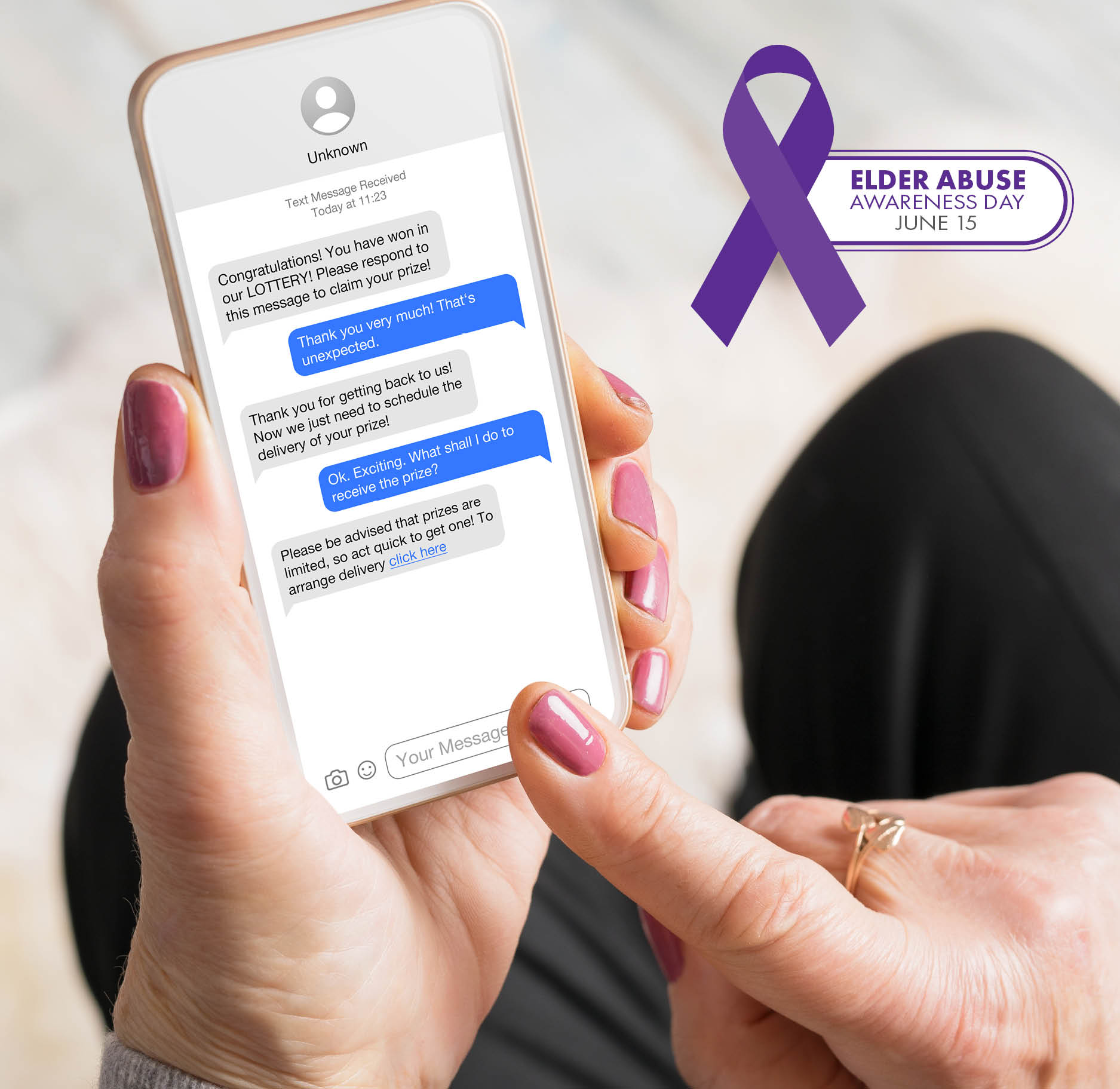
Imposter Scams: How to Spot and Stop Them
Scams are on the rise — and during Elder Abuse Awareness Month, it’s especially important to talk about one of the most common and damaging types: imposter scams. These scams target trust, urgency, and fear, and they often start with an unexpected phone call, text, email or pop-up message.
No matter the story, the goal is always the same: to take your money.
How Imposter Scams Work
Scammers pretend to be someone you trust or someone in authority. They may claim to be from your bank, a well-known company, the government, or even a family member in trouble. Their messages often include:
- A claim that there’s a problem that must be fixed immediately
- A false accusation of a crime, debt, or account issue
- A story that you were overpaid or need to “protect your money”
- Pressure to act quickly — before you have time to think
- Instructions not to tell anyone, not even your bank
If someone creates urgency and asks for secrecy, that’s a major red flag.
Common Types of Imposter Scams
- Bank Imposters Scammers pretend to be from your credit union or financial institution and claim there’s suspicious activity on your account.
- Brand Imposters They pose as well-known companies like Amazon, utilities, or tech support to trick you into making payments or sharing information.
- Government Imposters These scammers claim to be from the IRS, Social Security, Medicare, or law enforcement and threaten fines or arrest.
- Family Emergency Scams Someone pretends to be a grandchild or loved one in trouble and urgently asks for money.
What You Should Never Do
- Never allow a stranger into your online banking account to issue a refund or reverse a payment
- Never share personal information, including your account number, debit card number, PIN, or verification codes
- Never send money to refund an overpayment
- Never send money to someone you don’t know
- Never deposit money into a Bitcoin ATM to “protect” it or settle a debt
If something feels off — hang up, delete the message, or close the pop-up.
What To Do If You Think You’ve Been Targeted
- Stop communication immediately
- Contact Azura Credit Union at 800-432-2470
- File a police report
- Report the scam to the FTC at FTC.gov
Victims of elder fraud can also contact the National Elder Fraud Hotline at 833-FRAUD-11 (833-372-8311) for help with reporting and recovery.
Stay Informed. Stay Protected.
Scammers rely on fear, confusion, and urgency — but knowledge is your best defense. Learn more at FTC.gov by searching “Anatomy of an Imposter Scam.”
At Azura Credit Union, your financial safety matters to us. If something doesn’t feel right, trust your instincts and reach out — we’re here to help.