
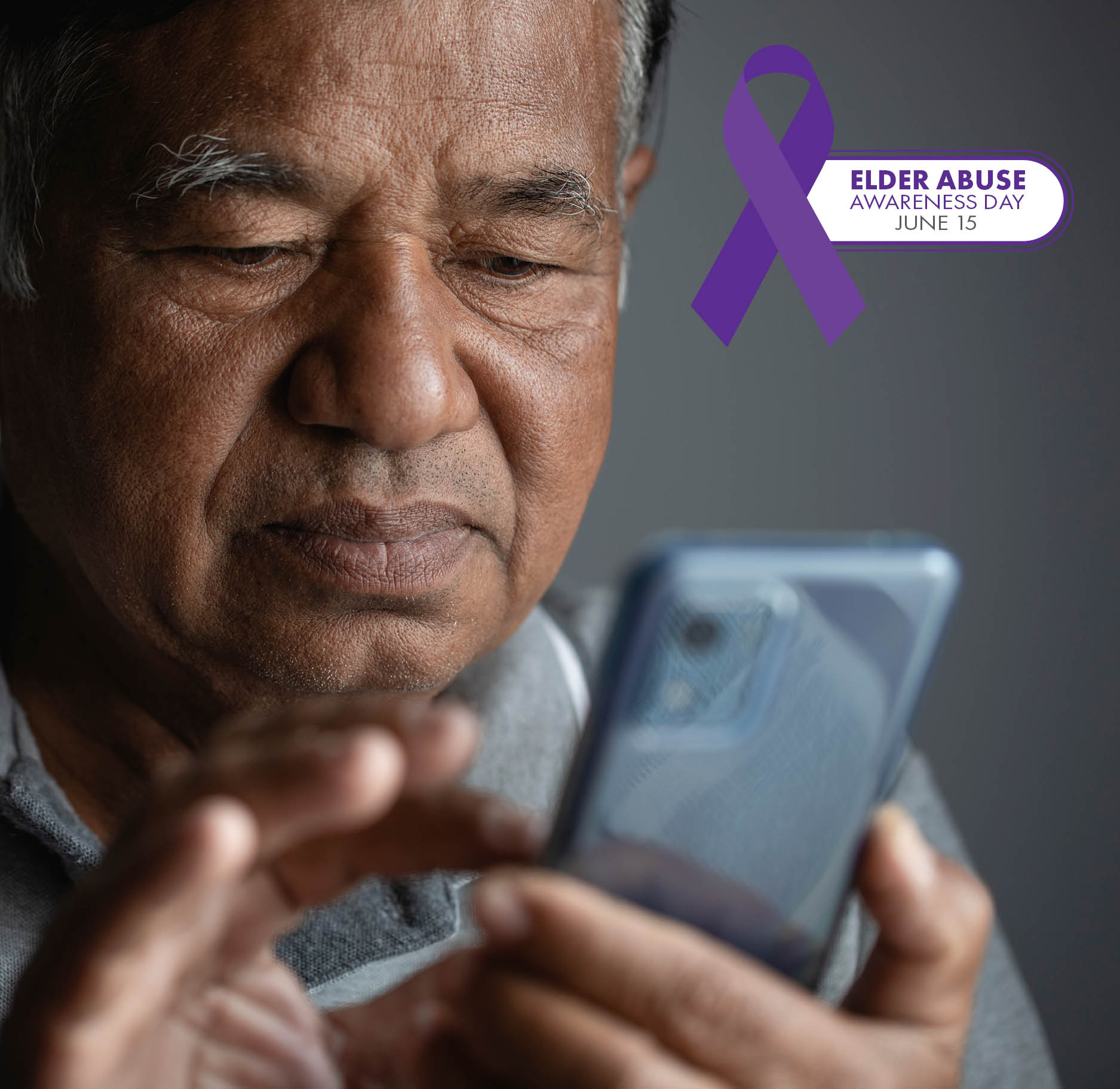
Online Phishing Scams
Online “fishing” scams — more commonly known as phishing scams — are designed to trick you into giving away personal or financial information through fake emails, texts, phone calls, or payment app messages. Every day, people lose money to scams that look legitimate but are anything but.
The good news? Knowing the warning signs can help you protect your money, your identity, and your peace of mind.
What Is an Online Fishing (Phishing) Scam?
Phishing scams happen when criminals pretend to be trusted organizations — like your bank, delivery services, or payment platforms — and try to get you to click a link, share login details, or send money.
These scams usually rely on:
-
Fear or urgency
-
Fake alerts about account problems
-
Requests for personal information
-
Pressure to act quickly
Remember: Your bank will never ask for your password, PIN, or one-time verification code.
Common Types of Online Fishing Scams
Email Scams
Email is the most common phishing method. Messages may look official and include logos, links, or attachments.
Red Flags:
-
Requests to verify your account or make a payment
-
Unexpected attachments
-
Misspellings, poor grammar, or suspicious links
-
Urgent or threatening language
Stay Safe: Never click links in unexpected emails. Visit your bank’s website by typing the URL directly into your browser.
Phone Call Scams
Scammers may impersonate your bank and claim there’s suspicious activity on your account.
Red Flags:
-
Pressure to act immediately
-
Requests for personal or financial information
-
Caller ID that looks legitimate but feels wrong
Stay Safe: Hang up and call your bank using the number on the back of your card.
Text Message Scams
Phishing texts often contain links asking you to “confirm” your account or reset your password.
Red Flags:
-
Urgent account alerts
-
Requests for login credentials or verification codes
-
Shortened or strange links
Stay Safe: Don’t click. Delete the message.
Payment App Scams
Scams using apps like Venmo®, Zelle®, PayPal®, or Cash AppTM are increasing. Once money is sent, it’s often gone for good.
Red Flags:
-
Requests to send money urgently
-
Instructions to send money to yourself
-
Calls or texts claiming your payment account is compromised
Stay Safe: Only use payment apps with people you know and trust.
What To Do If You’ve Been Targeted
If you think you’ve shared information or sent money:
-
Change your passwords immediately
-
Contact Azura Credit Union at 800-432-2470
-
File a police report if money was lost
-
Report the scam at FTC.gov or call 1-877-FTC-HELP (382-4357)
Stay Alert. Stay Protected.
Scammers rely on confusion and urgency — but awareness is your best defense. At Azura, we’re committed to helping you protect what matters most. If something doesn’t feel right, trust your instincts and contact us right away.