

Buying a home is exciting, but one of the biggest questions most buyers ask is: How much house can I afford? The answer depends on more than just the home's purchase price. Income, monthly expenses, savings, debt levels and loan terms all play an important role in determining a comfortable budget.
Understanding what lenders look at and how homeownership fits into your overall financial picture can help you shop with confidence and avoid stretching your budget too thin.
What Factors Determine Home Affordability?
Lenders evaluate several financial factors when reviewing a mortgage application:
Income
Your household income helps determine how much you may qualify to borrow. This includes salary, wages and other qualifying income sources. While every buyer's situation is different, many advisors suggest keeping your monthly mortgage payment, taxes and insurance around 28% or less of your gross monthly income to help maintain a comfortable budget.
Monthly Debt
Existing obligations such as auto loans, student loans, credit card payments and personal loans impact how much room you have in your budget for a mortgage payment. Lenders use these monthly obligations to calculate the debt-to-income (DTI) ratio, which helps determine how much additional debt you can reasonably take on. Reducing existing debt before applying for a mortgage may improve your borrowing power and increase your available home budget.
Down Payment
A larger down payment can lower your loan amount, reduce monthly payments and potentially improve loan options. While many buyers assume they need a 20% down payment, some mortgage programs may allow qualified borrowers to purchase a home with less. A larger down payment can also help reduce interest costs over the life of the loan and may eliminate the need for certain mortgage insurance requirements.
Credit History
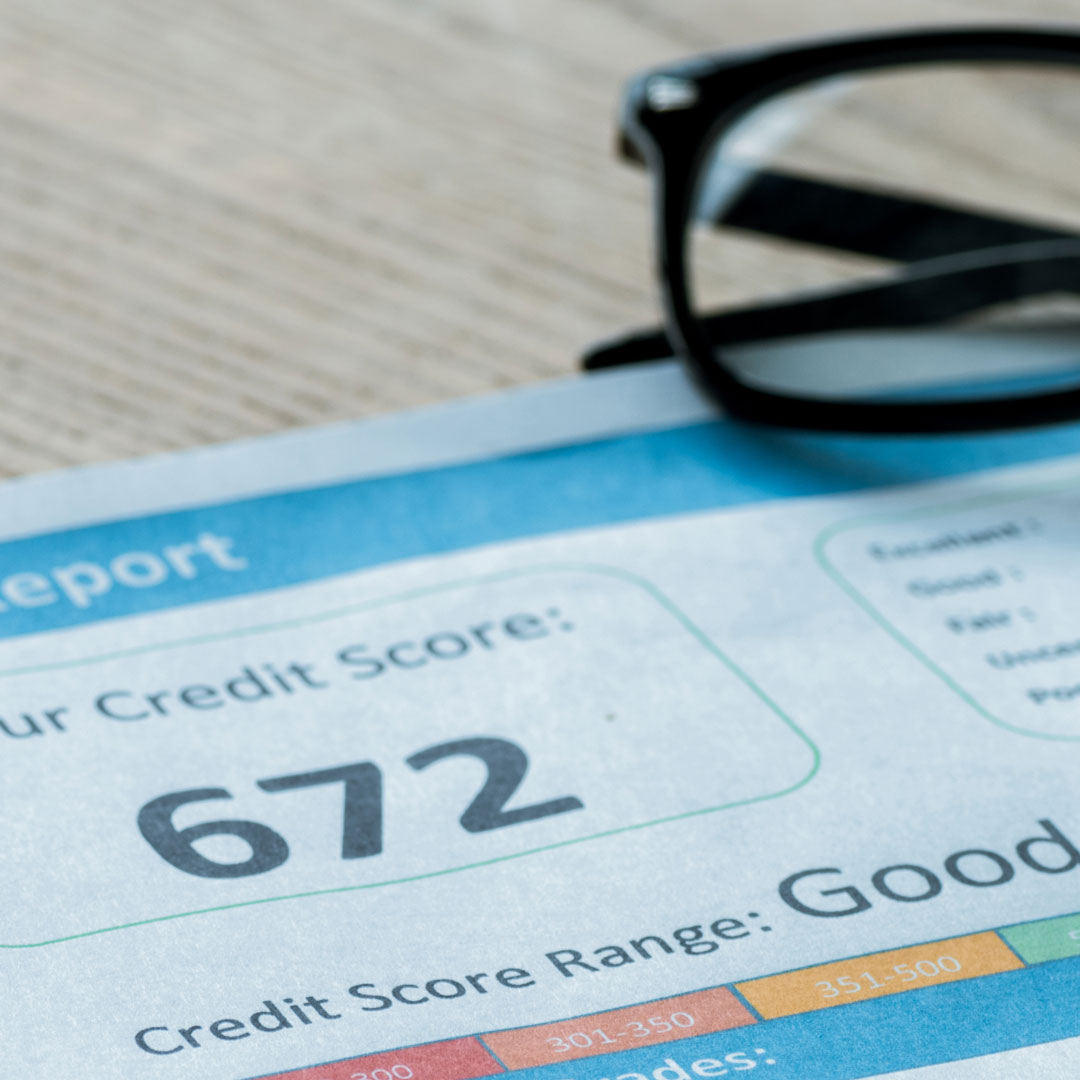
Your credit profile can influence both loan approval and interest rates. Strong credit may help you qualify for more favorable mortgage terms, while a lower credit score could limit loan options or result in a higher monthly payment. Before beginning the homebuying process, it is a good idea to review your credit report, address any inaccuracies and take steps to improve your credit health if needed.
Loan Term and Interest Rate
The length of your loan and current mortgage rates affect your monthly payment and overall borrowing power. For example, a longer loan term may offer lower monthly payments, while a shorter term can help you build equity faster and pay less interest over time. Even small changes in interest rates can significantly impact how much home you can afford, making it important to explore your options with a mortgage professional.
Understanding Your Debt-to-Income Ratio
One of the most important numbers lenders consider is your debt-to-income ratio (DTI).
DTI compares your monthly debt payments to your gross monthly income. A lower DTI often demonstrates that you have the financial capacity to comfortably manage a mortgage payment alongside your other obligations.
While mortgage requirements vary, maintaining a healthy DTI can improve both loan eligibility and affordability.
Don't Focus Only on the Mortgage Payment
When calculating affordability, it is important to consider all the costs of homeownership, including:
- Property taxes
- Homeowners insurance
- HOA fees, if applicable
- Utilities
- Home maintenance and repairs
- Emergency savings
A home that fits comfortably within your budget today can help you maintain financial flexibility for future goals and unexpected expenses.
How Much Should I Spend on a Home?
While online calculators can provide a helpful starting point, affordability is personal. Some buyers prefer to maximize their purchasing power, while others may choose a more conservative budget to maintain room for savings, travel, education expenses or other priorities.
The right home budget is one that supports both your homeownership goals and your long-term financial well-being.

Get Personalized Guidance Before You Buy
Every buyer's situation is different. Speaking with a mortgage professional can help you understand your options, estimate monthly payments and determine a price range that aligns with your financial goals.
Whether you are purchasing your first home, upgrading to a larger property or planning your next move, taking time to understand your budget can make the home-buying process smoother and more rewarding.
Explore More Home Loan & Homeownership Topics

Frequently Asked Questions
How much house can I afford based on my salary?
Your affordability depends on your income, debts, down payment, credit profile and current loan terms. A mortgage specialist can help determine a personalized budget based on your financial situation.
How much house can I afford based on my salary?
Your affordability depends on your income, debts, down payment, credit profile and current loan terms. A mortgage specialist can help determine a personalized budget based on your financial situation.
Does a larger down payment increase affordability?
Yes. A larger down payment can reduce the amount you need to borrow, which may lower monthly payments and expand your financing options.
Why is debt-to-income ratio important?
DTI helps lenders evaluate whether you can comfortably manage mortgage payments in addition to your existing debt obligations.
Should I buy the most expensive house I qualify for?
Not necessarily. Many buyers choose a budget below their maximum qualification amount to maintain flexibility for other financial goals and unexpected expenses.