
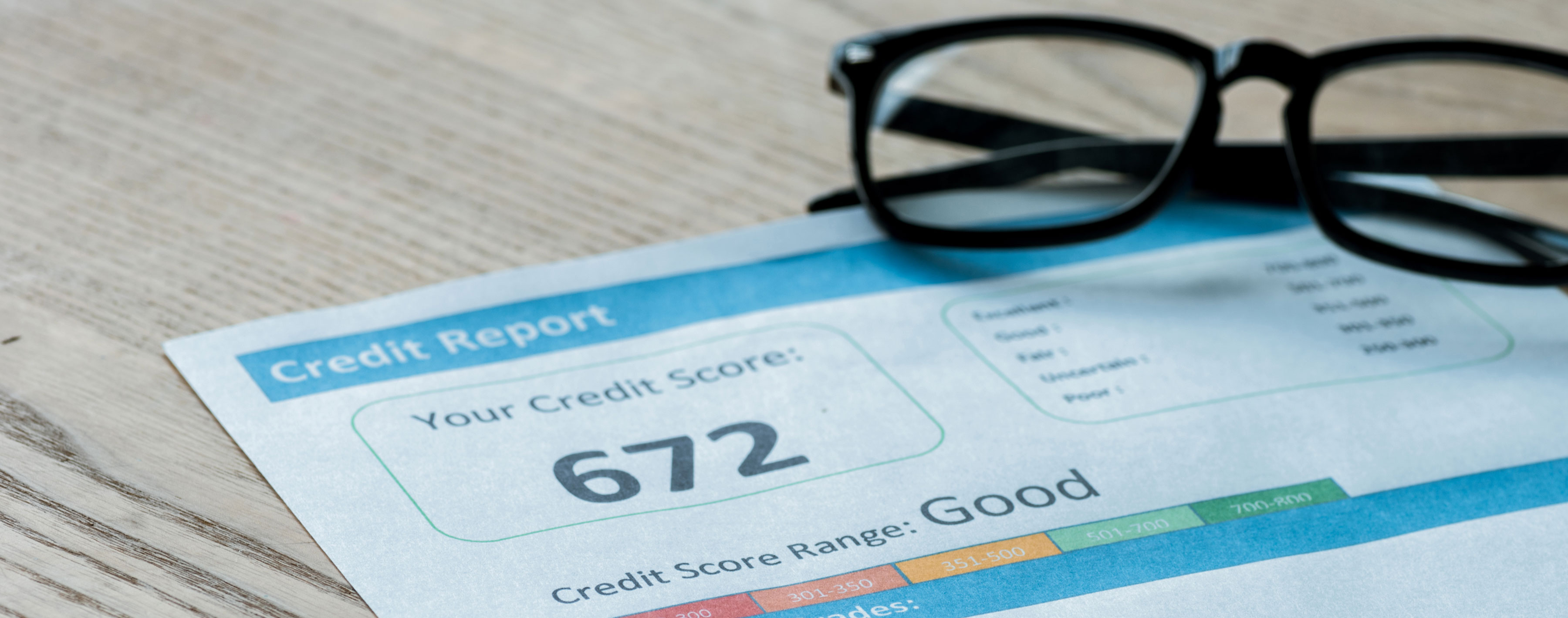
There is no single credit score required for every mortgage. The score you may need depends on the loan program, the lender and the rest of your financial profile. Some mortgage options may be available to borrowers with lower scores, while stronger credit can improve access to favorable rates and terms.
Your credit score is important, but it is only one part of the mortgage decision. Lenders may also review your income, debt-to-income ratio, down payment, savings, employment history and the property itself.
Why Does Your Credit Score Matter?
A credit score helps lenders evaluate how you have managed borrowed money. In mortgage lending, it can affect eligibility, pricing and the range of loan options available to you.
A higher score may help you qualify for a lower interest rate, which can reduce the monthly payment and the total interest paid over the life of the loan. A lower score does not always rule out homeownership, but it may limit options or increase costs.
Is There a Minimum Credit Score for a Mortgage?
Minimums vary. FHA policy generally does not allow FHA-insured financing when the applicable minimum decision credit score is below 500. Scores from 500 to 579 are generally limited to a maximum 90% loan-to-value ratio, while a score of 580 or higher may be eligible for maximum FHA financing. Individual lenders may set additional requirements.
Conventional loan requirements also depend on the specific loan, underwriting method and lender. Rather than assuming one score guarantees approval, ask a mortgage professional to review the programs that fit your complete financial picture.
What Else Do Mortgage Lenders Consider?
- Income and employment history
- Monthly debt obligations and debt-to-income ratio
- Down payment amount
- Cash reserves and savings
- Payment history and recent credit activity
- Loan type, property type and loan amount
Does a Higher Credit Score Lower the Mortgage Rate?
It can. Credit score is one of the factors used to assess risk and price a mortgage. Borrowers with stronger credit may be offered more favorable rates or fees, although market conditions, loan type, down payment and other details also affect the final offer.
How Can I Check My Credit Before Applying?
Review your credit reports before beginning the mortgage process. Look for inaccurate account information, unfamiliar activity, past-due balances or other issues that may need attention. Correcting an error can take time, so checking early gives you more room to respond.
How Can I Improve My Credit for a Mortgage?
- Pay every bill on time
- Reduce revolving credit card balances where possible
- Avoid opening several new accounts before applying
- Keep older accounts open when appropriate
- Review credit reports and dispute inaccurate information
- Build savings for the down payment, closing costs and emergencies
Credit improvement is usually gradual. Be cautious of companies that promise an immediate score increase or guaranteed mortgage approval.
Should I Wait to Apply Until My Score Is Higher?
Not always. If you are close to buying, a mortgage professional can help you understand whether your current profile supports an available loan option and whether waiting could meaningfully improve your terms. The decision should consider your credit, budget, timing and the housing market together.

Get a Personalized Mortgage Review
Because mortgage guidelines vary, the most useful next step is a review of your full financial picture. A mortgage professional can explain available loan types, estimate payments and identify practical steps that may strengthen your application.
Explore More Home Loan & Homeownership Topics


Frequently Asked Questions
Can I get a mortgage with a credit score below 620?
Possibly. Some loan programs may allow lower scores, but approval depends on the program, lender requirements and the rest of your financial profile.
What credit score is considered good for buying a house?
There is no universal cutoff. In general, stronger credit can expand your options and may help you qualify for more favorable pricing. Your lender can explain how your score affects the programs available to you.
Does checking my own credit hurt my score?
Reviewing your own credit report or score is generally considered a soft inquiry and does not affect your score. A lender's mortgage application inquiry is different and may be recorded as a hard inquiry.
Can a larger down payment help if my credit score is lower?
A larger down payment may strengthen the overall application or open different options, but it does not replace the lender's credit and underwriting requirements.
How long does it take to improve a credit score?
The timeline depends on what is affecting the score. Consistent on-time payments, lower balances and accurate credit reports can help over time, but there is no guaranteed schedule or point increase.
All loans are subject to credit approval. Equal Housing Opportunity. NMLS #40518.